Why is there such a brutal gap between what ADHD adults know they should do and what they can actually make themselves do?
For many high-functioning adults with ADHD, overwhelm comes from a predictable cycle: excitement, overcommitment, cognitive overload, and burnout.
This pattern shows up most often in people who are ambitious, idea-driven, and capable of complex thinking, but who were never taught how to regulate commitment, prioritize effectively, or externalize decision-making.
I know this intimately. Despite creating a beautiful “Life Dashboard” on my Google Drive with hyperlinks to all my important documents, I still manage to maintain a cluttered digital disaster zone like some kind of digital hoarder. Excellent intentions, terrible follow-through.
Sound familiar? What’s your biggest source of overwhelm?
Key Takeaway: Overwhelm is the rule, not the exception for ADHD brains—but with 5 science-backed resets, you can regain calm and focus.
The ADHD Overwhelm Pattern
This is the cycle many capable ADHD adults experience, regardless of intelligence or ambition:
- A surge of excitement, motivation, or new ideas
- Saying yes to too many projects, plans, or self-initiated goals
- Constant task-switching and mental fragmentation
- Exhaustion, resentment, or shutdown
- Shame → reset → repeat
The problem is too much internal decision-making without enough external structure.
ADHD brains are excellent at generating ideas and possibilities.
They struggle when everything lives internally and nothing sets boundaries for commitment, priority, or time.
Overwhelm happens when your brain is asked to hold too many competing decisions at once.
Why Just Being Organized Is a Struggle for ADHD
Research consistently shows that ADHD affects executive function, particularly:
- task initiation
- prioritization
- time perception
- cognitive control
When everything feels urgent, the brain cannot determine what actually matters most.
That’s why overwhelm doesn’t feel like stress.
It feels like mental traffic with no exit ramps.
One of the best solution is reducing cognitive load through structure.
Five Structural Resets That Reduce ADHD Overwhelm
These are not productivity hacks.
They are external supports that reduce internal decision-making.
You don’t need all five.
Start with the one that creates immediate relief.
Strategy 1: Group Similar Tasks to Reduce Mental Switching Costs
ADHD brains pay a high cognitive cost when switching between unrelated tasks.
Checking email, then scheduling appointments, then cleaning, then writing creates mental exhaustion before anything is completed.
Batching works because it limits context switching.
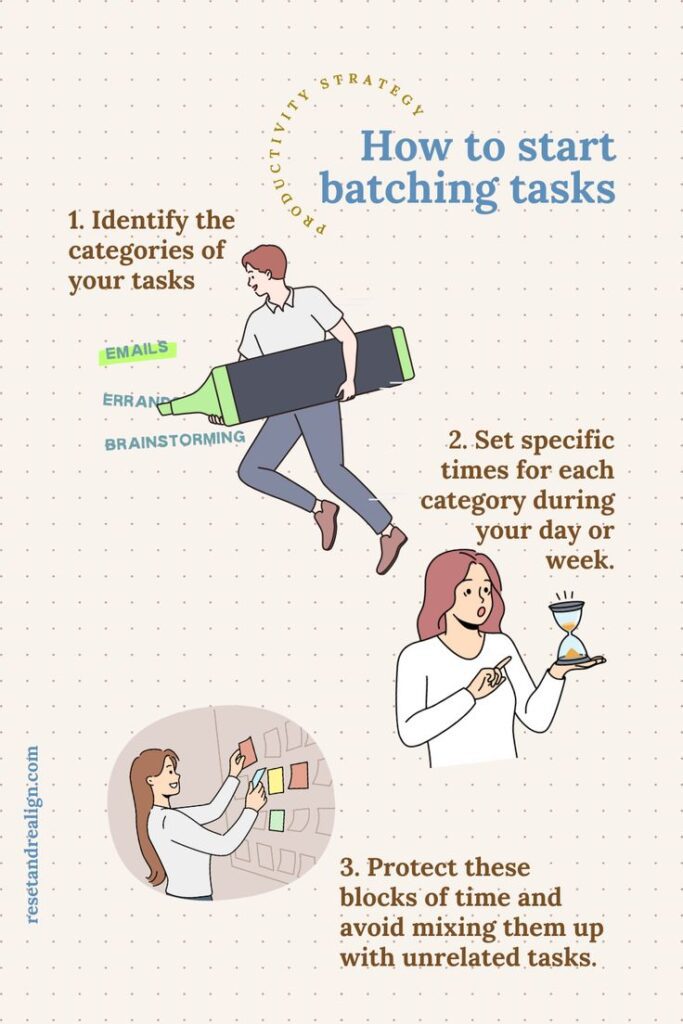
How to implement task batching:
When I first tried batching, I was shocked by how much less drained I felt.
My brain stopped ping-ponging between unrelated tasks, and I built momentum instead of fatigue.
This principle is built directly into Permission to Achieve™ System, where batching and quarterly planning reduce overwhelm before it even starts.
Strategy 2: Use External Time Scaffolding to Combat Time Blindness
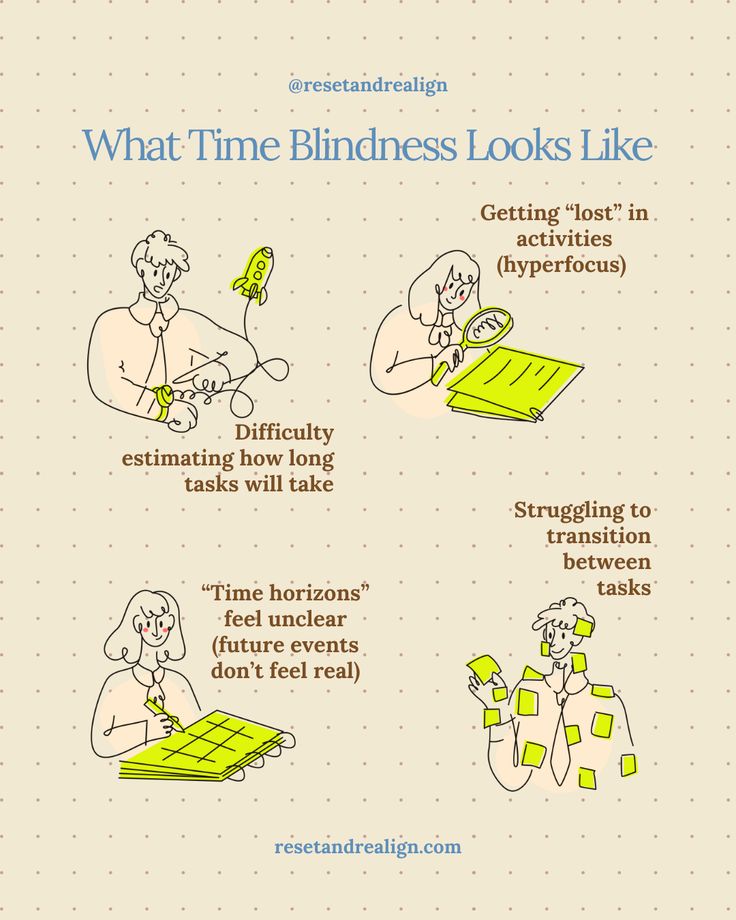
Many ADHD adults struggle with time perception. Tasks feel either endless or invisible.
Timers work because they externalize time, turning it into something concrete.
How to start:
- Choose one specific task
- Set a timer for a realistic duration (10–25 minutes)
- Work only on that task until the timer ends
- Take a real break before starting again
The timer becomes a neutral boundary that supports focus without relying on willpower.
Getting started with timed sessions:
Choose one specific task you want to work on. Set your timer for a duration that feels challenging but achievable. If you’re new to this approach, start with 15 minutes rather than jumping straight to 25. Work on only that task until the timer rings, then take a genuine break.
During your break, step away from your workspace. Go outside if possible, do some stretches, or grab a healthy snack. Even brief movement increases blood flow to the brain and enhances mental clarity for the next work session.
The timer becomes your external accountability partner, helping you start overwhelming tasks and protecting you from hyperfocus exhaustion. This is why I’ve incorporated timed work sessions and built-in breaks into my quarterly accountability system.
Strategy 3: Limit Daily Decisions to Three Non-Negotiables
When everything is a priority, nothing gets meaningful attention. Long to-do lists increase decision fatigue and paralysis. For ADHD brains, fewer decisions create more clarity.
When everything feels urgent, nothing gets the focused attention it deserves.
Studies reveal that adults with ADHD show measurably different patterns in cognitive control processes. For ADHD brains dealing with executive function challenges, limiting daily priorities to just three items removes the cognitive burden of constant decision-making.
Choosing your daily three priorities:
Each morning, ask yourself: “If I could only accomplish three things today, which ones would move me forward most meaningfully?”
Consider impact over urgency. Choose tasks that align with your bigger goals rather than just putting out fires.
Make your three priorities specific and actionable. Instead of “work on presentation,” write “complete slides 1-5 of quarterly review presentation.”
This specificity helps your ADHD brain understand exactly what success looks like.
Write these three priorities somewhere visible and resist the urge to add more throughout the day. This principle of strategic limitation is central to my Permission to Achieve planner, instead of overwhelming yourself with countless goals, focus on just four meaningful objectives per year with clear quarterly milestones.
Strategy 4: Build Weekly Feedback Loops Instead of Relying on Motivation
One of the biggest challenges for ADHD brains is maintaining motivation over time. We’re great at starting things but struggle with follow-through, partly because we don’t always recognize the progress we’re making.
Weekly reflection creates the feedback loop our brains need to stay motivated and course-correct effectively. Reflecting regularly builds awareness of what’s working and what needs adjustment.
Building your reflection practice:

Set aside 15 minutes each week at the same time and place. Review your week with curiosity rather than judgment.
Ask yourself:
- What went better than expected?
- What challenges did I navigate successfully?
- Where did I get stuck, and what might help next time?
Focus on progress. Maybe you only completed two of your three daily priorities most days, but that’s still better than scattered attempts. These insights are valuable data, not failures.
Use voice-to-text apps if writing feels tedious. This practice helps you build self-awareness and creates positive momentum. The quarterly accountability system in my planner includes structured reflection prompts and ritual elements specifically designed to maintain motivation for ADHD brains.
Strategy 5: Anchor Daily Actions to Meaning
ADHD motivation is driven by relevance and interest, not obligation. When tasks feel disconnected from meaning, focus collapses.
Focus Keeper wrote and article on the method that confirms that structured approaches with personal meaning significantly improve focus and task completion for people with ADHD. Visualization and connecting to your “why” helps bridge this gap.
Making the meaningful connection:
Choose one of your current goals and get specific about why it matters to you. Instead of “I want to be more organized,” visualize what organized feels like in vivid detail. Picture yourself leaving work on time, having a calm evening routine, and waking up feeling prepared rather than panicked.
Connect this vision to your daily actions. When you’re tempted to skip your task batching or ignore your three priorities, remind yourself of that calm, organized feeling you’re working toward. The mundane tasks become stepping stones rather than random busywork.
Keep your “why” personal and intrinsic rather than focused on what others expect. This is why my quarterly planner includes money goal scaffolding and decision frameworks—to help you connect your daily actions to what truly matters to you.
Creating Sustainable Change for ADHD Brains

Of course, these five strategies are not about becoming a productivity robot or forcing yourself into neurotypical systems. They’re about creating structure that supports your ADHD brain while honoring your natural rhythms.
Start with one strategy that resonates most strongly. Maybe it’s the relief of limiting yourself to three daily priorities, or perhaps the structure of timed work sessions appeals to your need for external accountability. Give yourself permission to adapt these approaches based on what you learn about your patterns.
In my own journey, implementing these strategies didn’t eliminate challenges overnight, but gave me tools to navigate difficult days with more confidence and less exhaustion. Instead of swimming upstream, I began working with my brain’s natural tendencies.
Building new habits takes time, especially when you’re rewiring long-standing patterns. Be patient with yourself as you experiment and find your rhythm. The woman who can tackle complex projects and generate innovative solutions absolutely has the capability to create a sustainable daily routine.
If you’re tired of battling ADHD overwhelm with systems that don’t fit your brain, the Permission to Achieve™ planner was built for you.
Disclaimer: This content is for informational purposes only and is not intended as medical advice. Always consult with healthcare professionals regarding ADHD symptoms and treatment options.
Further Reading and Research Citations:
- Healthline – “ADHD and Task Switching: 10 Tips for Improvement” – https://www.healthline.com/health/adhd/task-switching-adhd
- Behavioral and Brain Functions – “Inefficient cognitive control in adult ADHD: evidence from trial-by-trial Stroop test and cued task switching performance” – https://behavioralandbrainfunctions.biomedcentral.com/articles/10.1186/1744-9081-3-42
- PsychCentral – “How to Wind the Pomodoro Technique for ADHD” – https://psychcentral.com/adhd/how-to-adapt-the-pomodoro-technique-adhd
- Focus Keeper – “How the Pomodoro Technique Helps ADHD Students Improve Concentration” – https://focuskeeper.co/blog/how-the-pomodoro-technique-helps-adhd-students-improve-concentration